
Starting a Self Storage Business in 2026: The Ultimate “Should You?” Guide

Everyone seems to be talking about self-storage. Podcasts sell it as recession-proof. Influencers call it passive income. But what’s the truth?
Self-storage is genuinely one of the most compelling asset classes in commercial real estate, but that does not mean everyone should start a self-storage business. Knowing how to start a self-storage business is very different from knowing whether you should.
This guide walks you through the full picture: the market fundamentals, the real startup costs, the operational demands most people overlook, and the alternative that sophisticated investors are increasingly choosing instead.
Types of Self-Storage: Which Ones Are Best for Investing?
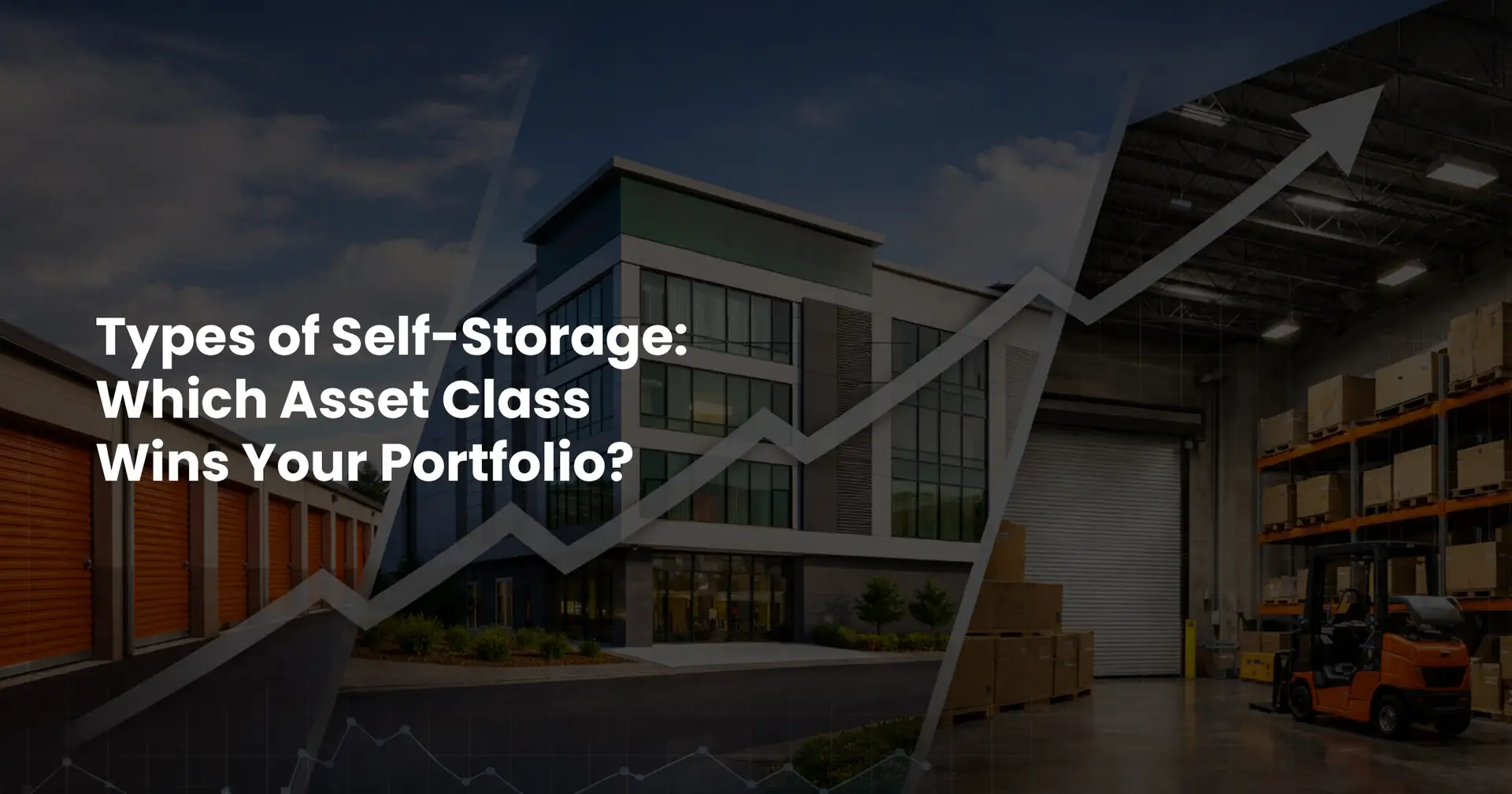
Here’s something most real estate “gurus” won’t tell you: walking up to a self-storage deal and saying “it’s storage, it must be good” is not an investment strategy. It’s a hope. The asset class has earned its reputation as recession-resistant, low-management real estate, but within that category lies a wide spectrum of building types, tenant profiles, and return potential. Picking the right type can mean the difference between a property that cash flows on Day 1 and one that bleeds capital for years. We break down the four most profitable asset classes—from Traditional Drive-Up to Industrial Flex Space—to show you which offers the highest “highest and best use” potential for your investment.
Self Storage Investment Returns: Is Owning Storage Facilities Still Profitable in 2026?
At DXT Partners, we see self-storage as one of the most attractive asset classes in commercial real estate, not because it’s easy, but because it works when done right. When you buy the right property, at the right price, with a clear plan to improve it, the returns can be strong and consistent.
In this article, we’ll share both the bigger industry picture and what we’re seeing firsthand as operators in Texas.